

You work too hard.
It’s not your fault that you work too hard. Your teachers’ superiors needed a metric through which to measure your teachers’ performance. They found you for just that purpose.
Your teachers’ superiors figured that if you can memorize a bunch of formulas and repeat a bunch of overcomplicated steps, then your teachers must be good teachers. It’s been working this way for a long time. You see, school is the modern outgrowth of the ancient Pythagorean cult system that was designed to keep the maths away from the masses.
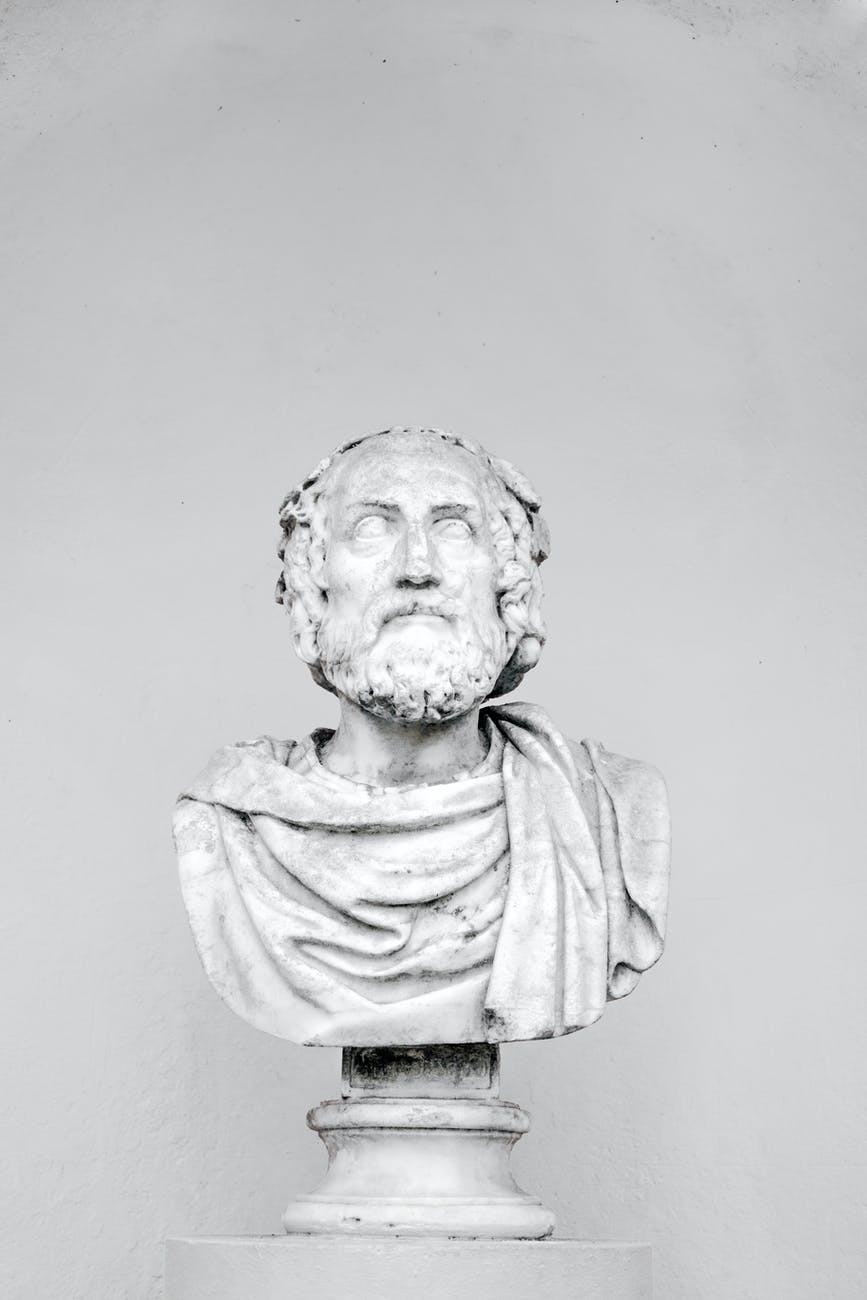
“School is the modern outgrowth of the ancient Pythagorean cult system that was designed to keep the maths away from the masses.”
— KYBO Founder Mark Hastings
KYBO doesn’t benefit when you work hard. KYBO benefits when you, with as little energy expended as possible, fill in—or “bubble in”—the correct circles on a very high-stakes piece of paper called a Scantron on a very specific Saturday morning called a “test day.”
We get perfect scores so that you can work less for more score.

Want to read more?
Head over to our next blog post! If you found this helpful, please share it with someone who may find this information useful as well.